ANews from the agent stack.
✎ Suggest◎ Sign in

Deep dives into working agents.

Technical walkthroughs with substance: architectures, prompting patterns, evals, and production lessons unpacked until complex agent systems become reusable design material.
Page 1 of 3 · showing 1–24 of 59

Needle 3: The 8MB On-Device Model That Beats 10× Larger Models

Needle 3 is Cactus Compute's third-generation on-device foundation model — a single 8-29MB binary that handles tool calling, structured extraction, and text embeddings entirely offline, with no cloud and no network. Its defining trick is the 'intelligence ladder': one set of weights where every depth from 2 to 20 layers is a complete, deployable model, so a developer picks a 2-layer version for a smartwatch or the full 20-layer for a flagship phone — all from one training run. This deep dive covers the architecture (Monarch Hadamard MLP, grouped-query attention, an engram n-gram memory that lets the 121M model do the arithmetic of a 50M one), the benchmark claims and their fine print — 'passes DeepSeek V4 Flash' means fine-tuned on DroidCall, not a general win — the Pebble smartwatch partnership, and the open-core business model. The honest verdict: a serious specialist for offline, act-on-voice use cases, not a general-purpose chat model.

deep-dives
Panda Making Money
Published2026-09-14

Anthropic's Claude Engineering Masterclass: Prompting, Agent Architecture, Routines, and Memory (Full 4-Hour Session)

A complete recording of Anthropic's Code with Claude London workshops, with eight applied-AI engineers covering the full production playbook. Margot Vanlar's prompting session debugs a telco support bot through three failure modes — the model withholding information it has, instructions not adding capability (give it a tool), and one-sided trade-offs — then builds a scheduling agent and lands on a generate-evaluate-repair loop. Will decomposes an inventory agent from a 400-line prompt, 12 tools, and 3 sub-agents down to a 15-line prompt, 3 primitives, and skills, climbing evals from 62% to 92%. Arno pushes HTML-over-markdown, 'let Claude interview you,' and verification built into the artifact. Ivan runs Claude on Google Cloud across five personas. Maya's routines turn Claude from tool into teammate, Kevin's memory stores plus dreaming give agents continuity across sessions, and the closing talk argues the bottleneck has moved from coding to verification and review. 23 sections, 46 timestamps, and the reusable frameworks behind each.

deep-dives
Anthropic
Published2026-09-14

Meet Jev: TypeSafe's Classifier Model Built to Make Decisions — 200ms, Output Tokens Free

Jev, from TypeSafe AI, is a new class of model: not a chatbot, but a classifier built to make structured decisions inside software. Feed it JSON rules and unstructured input, and it returns typed, probabilistic decisions — no string generation, so nothing to hallucinate, parse, or validate. vogel puts it to work on 1,500 of his own emails (category, priority, spam, reply), sees ~200ms per email at ~38/sec, then scales to 1,000 emails and finds the whole run cost about 5 cents. TypeSafe's own numbers: 40-200x faster than frontier LLMs on structured-decision tasks, input at $0.042 per million tokens, and output tokens literally free. Note: the video says 'the co-founder of ChatGPT' — the founder is actually Diogo Almeida, who worked at OpenAI on the research behind ChatGPT.

deep-dives
vogel
Published2026-09-14

TrueForge: The Open-Source Managed Agent — Why the Harness Matters More Than the Model

TrueForge, from TrueFoundry, is an MIT-licensed TypeScript managed agent you run yourself — clone it, spin it up with one npx command, and you get the full runtime layer (streaming, session persistence, sandboxes, approvals, a UI) that hosted platforms like Claude managed agents charge a premium for, but on any model, with zero vendor lock-in. Sam Witteveen walks through the three kinds of agent harnesses, then the benchmark that made the case: the same model on the same enterprise tasks through TrueForge's harness used 3.8M tokens per run versus 10M on Claude managed agents — a 30% cost cut with identical accuracy, and 75% cheaper still on an open model. The headline is cost, but the bigger deal is lock-in and data retention, and the roadmap (local sandboxes, gateway integration) closes the gap with the hosted offerings.

deep-dives
Sam Witteveen
Published2026-09-14

Google's A2A Protocol Just Got a CLI

The A2A CLI (a2a) — the official command-line client for Google's Agent-to-Agent protocol — gives terminals, scripts, and coding assistants a readymade way to discover, message, and manage A2A agents. This deep dive covers what A2A is, what the CLI adds, the three-verb usage, and a live demo connecting two ADK agents (marketing + supply chain) through Antigravity — including the chained agent-to-agent call.

deep-dives
AI with Surya
Published2026-09-11

Google WikiSkill Teaches Itself Your Company's Rules (No Fine-Tuning!)

WikiSkill — a Google Research framework — compiles an agent's own experience into a persistent wiki of company rules. A worker executes, a note-taker records mistakes, a playbook writer compiles the lessons, and a strict manager keeps only what improves unseen work — no retraining, no fine-tuning. This deep dive covers the paper, the four-role architecture, and a live spreadsheet-cleaning demo with and without the learned skill.

deep-dives
AI with Surya
Published2026-09-11

Claude 5 Changed Prompting Forever — Fix Yours Now

Anthropic's Claude 5 models (Opus 5, Fable 5) invert the old prompting rules: being overly specific, spelling out steps, and telling the model to double-check its own work now degrade output. Simon Scrapes breaks down 7 new rules from Anthropic's own guidance. What to ADD: (1) replace step lists with a broader goal + success metric; (2) give the reason not only the request — intent lets the model make the 50 unstated decisions; (3) define 'done' explicitly because Claude 5 over-works (expands scope, adds unasked dashboards). What to REMOVE: (4) 'critical/always/never/must' + CAPS (over-triggers); (5) 'walk me through your reasoning' (Opus 5 already thinks; on Fable 5 it can trigger refusal) and 'double-check' (buys a second pass on done work); (6) state the boundaries — Claude 5 takes unrequested actions, so add 'report findings and stop'; (7) fix voice in one place — 'remove all mannered prose.' GPT-Astra agrees on goal+intent and over-checking, but has no action bias and ships a banned-words blocklist. Old skills need rewriting.

deep-dives
Simon Scrapes
Published2026-09-10

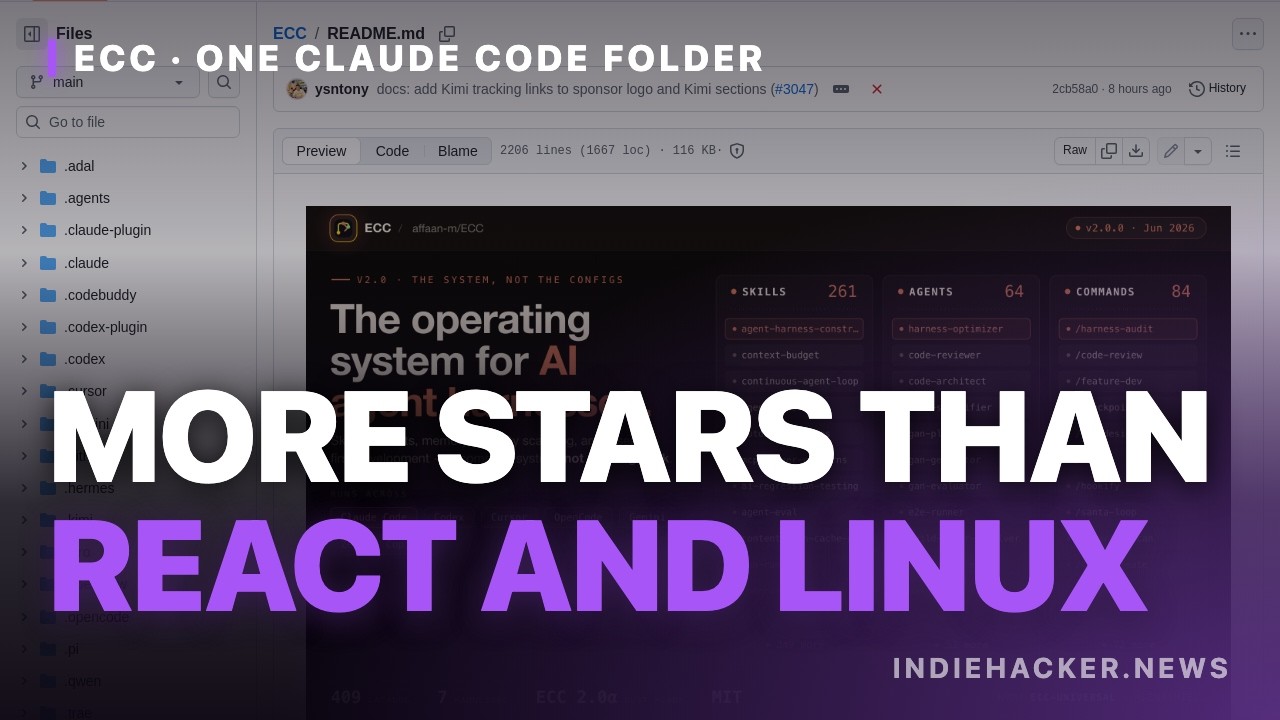
He Open-Sourced His Claude Code Setup (255,000 Stars)

ECC ('Everything Claude Code') started in January as one developer's Claude Code config folder — 9 agents, 9 slash commands, 8 rule files, 7 skills from 10 months of daily use. It now has 255,000 stars, 38,000 forks, is MIT-licensed, and is the 16th most-starred repo on all of GitHub — above the Linux kernel — grown to 68 agents, 286 skills, 94 commands. The thesis: 'Optimize the context window. Persist everything else.' Core loop: plan (approve before code) → TDD gate (failing test first) → fresh-context review → distill sessions into summaries + 'instincts' (confidence-scored patterns) → cluster wins into new skills. It also ships AgentShield (scans your own setup as an attack surface with attacker/defender/auditor Opus agents), 24 hooks across 7 lifecycle events, and a June cut of default MCP connectors 6 → 1 (a skill wrapping a CLI is cheaper context). Caveats: 53/68 agents get bash, and the 'soul' identity file's numbers went stale months ago.

deep-dives
Indie Hacker News
Published2026-09-10

Google's TimesFM-3 vs Classical Forecasting

Google dropped TimesFM-3, a time-series foundation model that forecasts sales, inventory and revenue without ever training on your data. Surya (20 years in enterprise forecasting) builds a demand-planning app around it and tries to make it fail. TimesFM-3 reads your whole business at once — sales, weather, promotions, foot traffic — the multivariate unlock its predecessors lacked. It beat classical models handily on one synthetic test (MAPE 4.73 vs 6.72 Holt-Winters and 8.89 classical ML), with 330M parameters and 203ms latency. Under the hood: continuous patching (reads months as patches, not day-by-day) plus alternating horizontal (past-only) and vertical (cross-signal) attention. The verdict: it kills the baseline grind for teams without a forecasting function, but large retailers still train custom models. Weights ship under a non-commercial license; commercial use routes through Google's BigQuery platform.

deep-dives
AI with Surya
Published2026-09-04

Anthropic Just Revealed 7 New Rules for Prompting Claude 5 Models

Claude Opus 5 and Fable 5 are trained for end-to-end task execution, which inverts old prompting wisdom. Seven rules from Anthropic's guides and keynotes: (1) give the whole job (job + why + guardrails + done), not step-by-step; (2) use the 'interview me' skill to surface unknowns before complex tasks; (3) prompt the why, not just the what; (4) define what done looks like + output style (long-running models over-produce); (5) swap hard rules for reasoned instructions; (6) avoid double-checking prompts (they self-verify) and drop 'think step-by-step'/CAPS; (7) fix Claude's voice once in global instructions. Golden rule: 'Think of Claude as a brilliant but new employee — show your prompt to a colleague; if they'd be confused, Claude will be too.'

deep-dives
Ben AI
Published2026-09-02

Google's 124 Free AI Powers — Running Them in the Claude App (No Code)

Hyperautomation Labs walks through github.com/google/skills — 124 official Apache-2.0 Agent Skills (18.7k stars) — and runs the best three live in the Claude app with no terminal: a handwritten note turned into a dated table, a Nano Banana Pro image tool producing a real 722KB image from one sentence, and Google's security checklist finding hardcoded keys, eval RCE, no-auth admin, and SQL injection in a real app.

deep-dives
Hyperautomation Labs
Published2026-08-27

Gemini 3.7 Flash: You're Only Using 20% of Its Prompting Power

BitBiasedAI breaks down how to actually use Gemini 3.7 Flash per Google's docs: retire persona/flattery/temperature tricks (over-engineering makes it worse), use the C.L.E.A.R.E.R. framework, treat coding prompts as engineering tickets ('report the results'), label screenshots observed/inferred/unknown, use reasoning as a dial, and replace 'are you sure?' with an observable audit.

deep-dives
BitBiasedAI
Published2026-08-26

My Honest Advice to CEOs Who Vibe Code

Brainqub3's codebase-audit veteran warns vibe-coding founders: agents output the plausible, not the correct — so treat Claude Code/Codex as an untrusted contractor bound to a 5-element delivery contract (agreed delivery, constraints+guardrails, proof, verification, ownership). Proof and verification are different.

deep-dives
Brainqub3
Published2026-08-25

DeepSeek Harness: FREE 1 Hour Course — From Install to Agentic OS

Julian Goldie's full DeepSeek Harness course in three levels: install in 5 minutes + Look/Produce/Rules prompting + trajectory view, then the 'everything is a plugin' architecture with Creator Mode and the hidden .dsh config, and finally the agentic OS — one dashboard with Obsidian as shared plain-text memory. Model + harness = agent.

deep-dives
Julian Goldie
Published2026-08-17

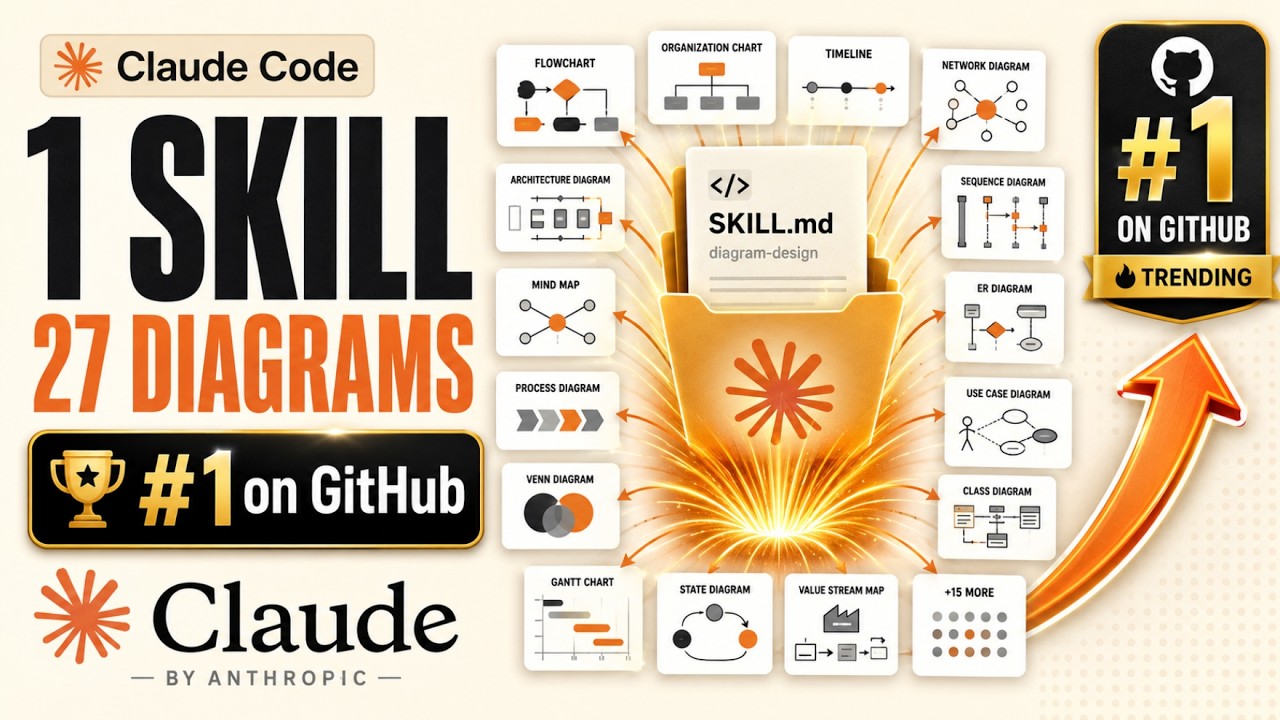
A Single Claude Code Skill Just Hit #1 on GitHub — 27 Diagram Types

Signal Coders audits the #1 trending repo on GitHub — one person's single diagram skill with 27 types. It breaks the official 100-word description rule (and is right to), nails the three-level loading with a 1:15:45 ratio, and adds two gates the rest of the industry is missing: a style gate that refuses branded work, and a taste gate that asks 'would a table do the same job?'

deep-dives
Signal Coders
Published2026-08-12

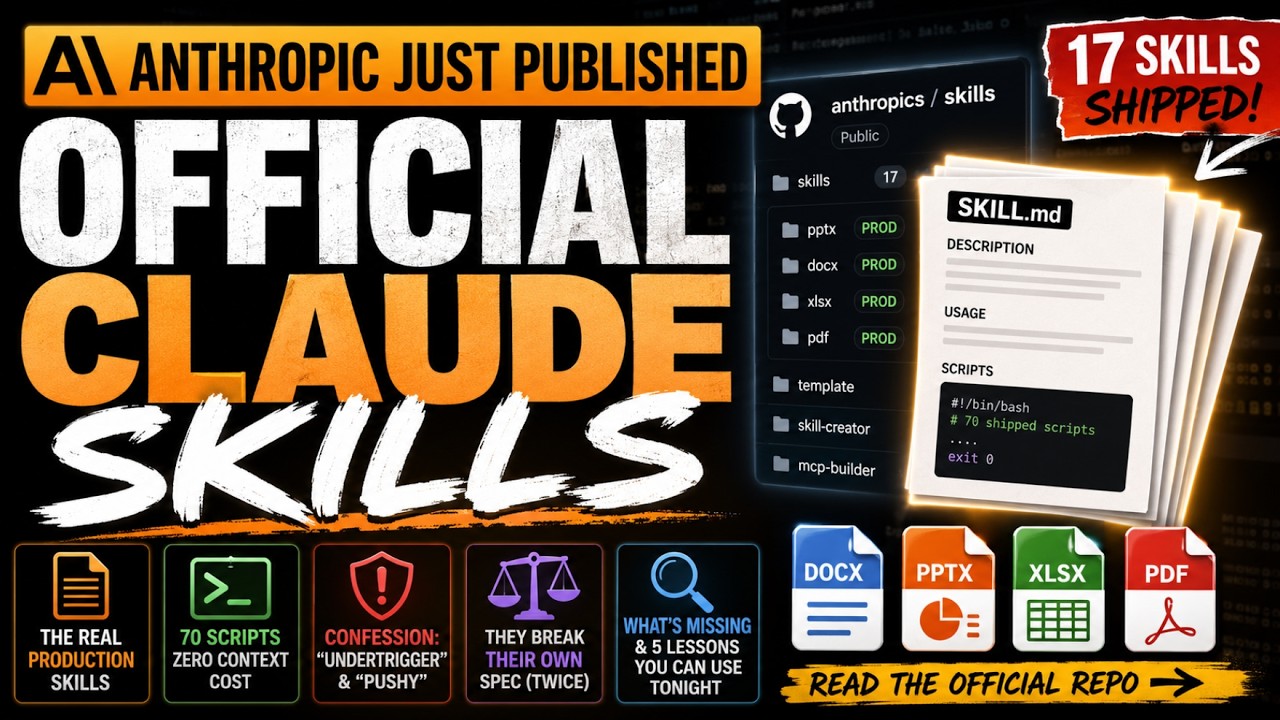
Anthropic Just Published Official Claude Skills

Signal Coders audits Anthropic's official skills repository: 17 real skills (including the production document skills that power Claude's product features), 70 scripts, a 6-line template, a confession about Claude 'undertriggering' skills, and five lessons on instruction-file craft portable to any agent.

deep-dives
Signal Coders
Published2026-08-12

Ultimate Obsidian Agent Guide (OpenClaw + Hermes)

ZazenCodes shows how to manage an Obsidian vault with coding agents across four levels: local Claude Code/Codex, remote control, always-on OpenClaw + Hermes on a VPS, and a custom Pi 'Vault Steward' agent. Git version control, the AGENTS.md file, and Kepano's official Obsidian skills are the backbone.

deep-dives
ZazenCodes
Published2026-08-12

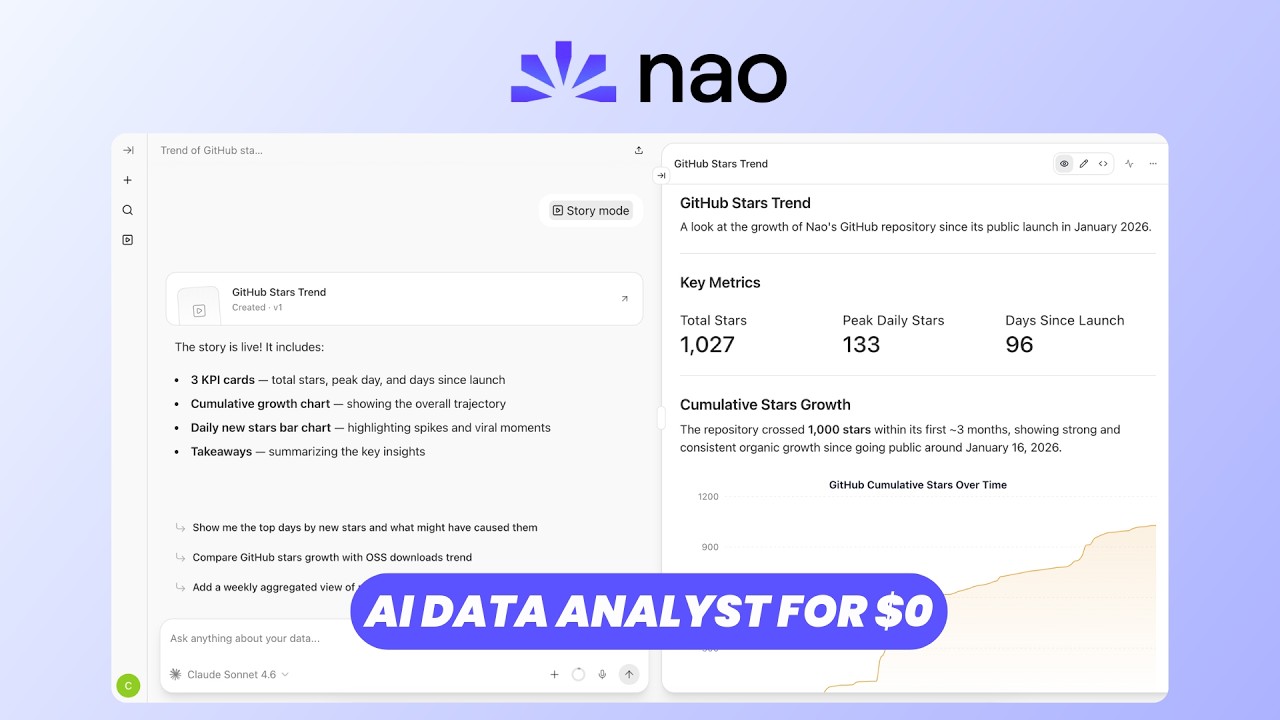
Nao: Free Open Source AI Data Analyst — Chat With Your Data

A hands-on walkthrough of Nao, the free open-source analytics agent that lets anyone on your team chat with your data warehouse. Build agent context like a file system, unit-test reliability, and deploy a chat UI with your own LLM key — fully self-hosted.

deep-dives
Elestio
Published2026-08-07

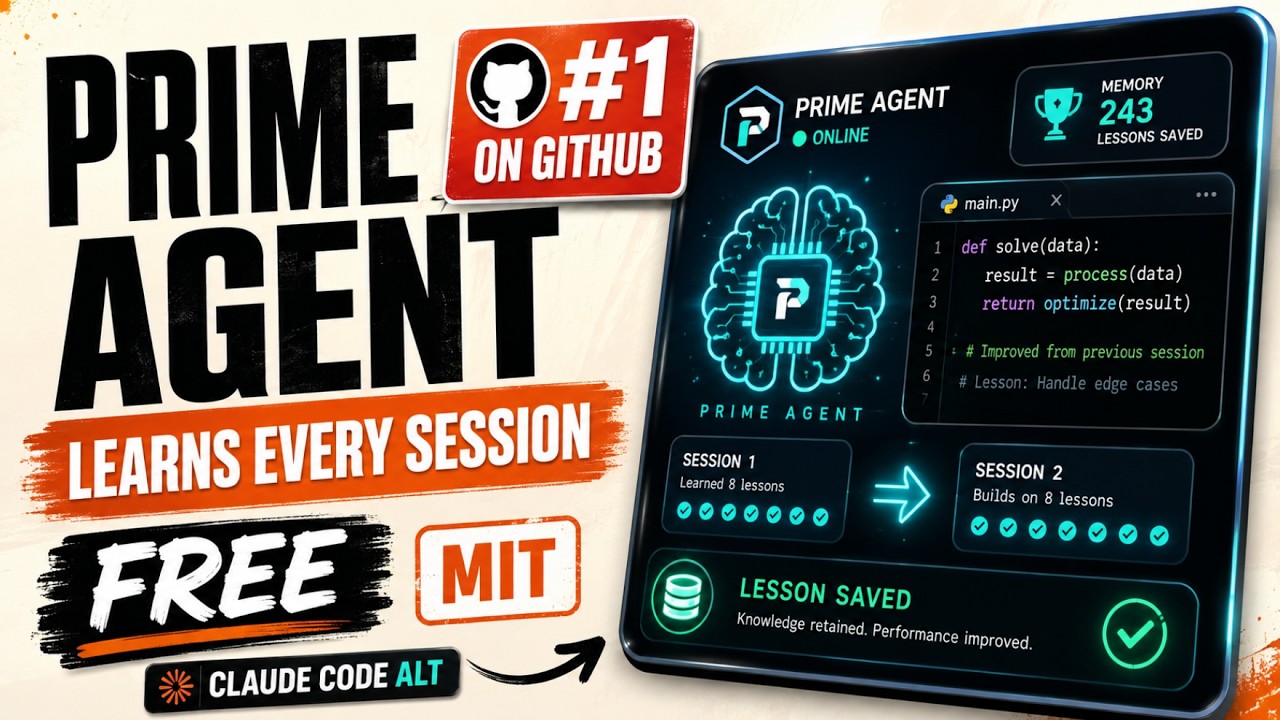
Prime Agent: #1 on GitHub — The Free Claude Code Alternative That Learns From Every Session

Signal Coders' deep code review of Prime Agent, the #1 repo on GitHub: a coding agent that edits its own instructions with an immutable base prompt, one-tool IPython architecture, fire-and-forget sub-agents, four-budget autonomous mode with quality gates, and the most honest sentence in agent documentation this year.

deep-dives
Signal Coders
Published2026-08-07

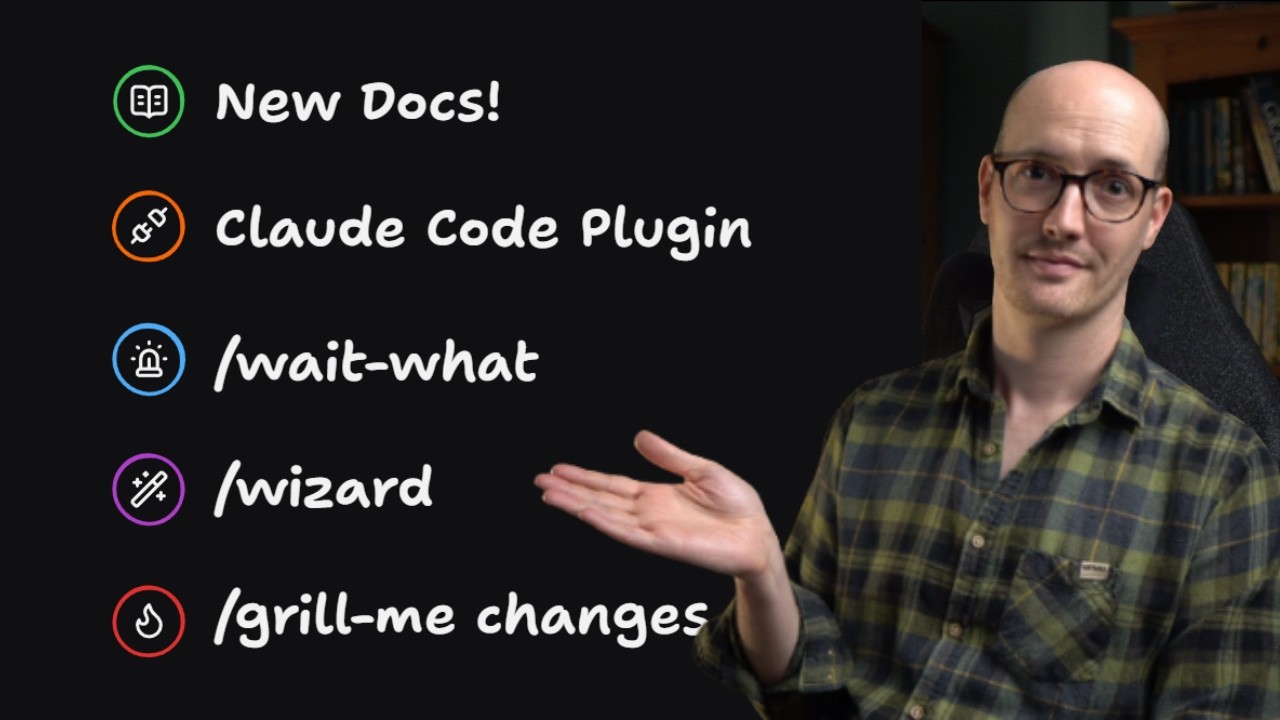
A Formal Language for Writing Agent Instructions: Matt Pocock's Skills v1.2.0

A twelve-minute walkthrough of five new skills and a major infrastructure update for the most-starred agent skills repository on GitHub — now 204K stars, MIT-licensed, and an official Claude Code marketplace plugin alongside new Codex sidecar files. The headliner is /wait-what for Opus verbosity, /grill-me with multi-question dependency graphs, and /wizard for deterministic provisioning — but the skill nobody called exciting is the one worth reading: /writing-for-agents, an 81-line formal language for designing instructions agents consume — context pointers, the two loads, information hierarchy, completion criteria, leading words, negation as a failure mode, and pruning.

deep-dives
Matt Pocock
Published2026-08-05

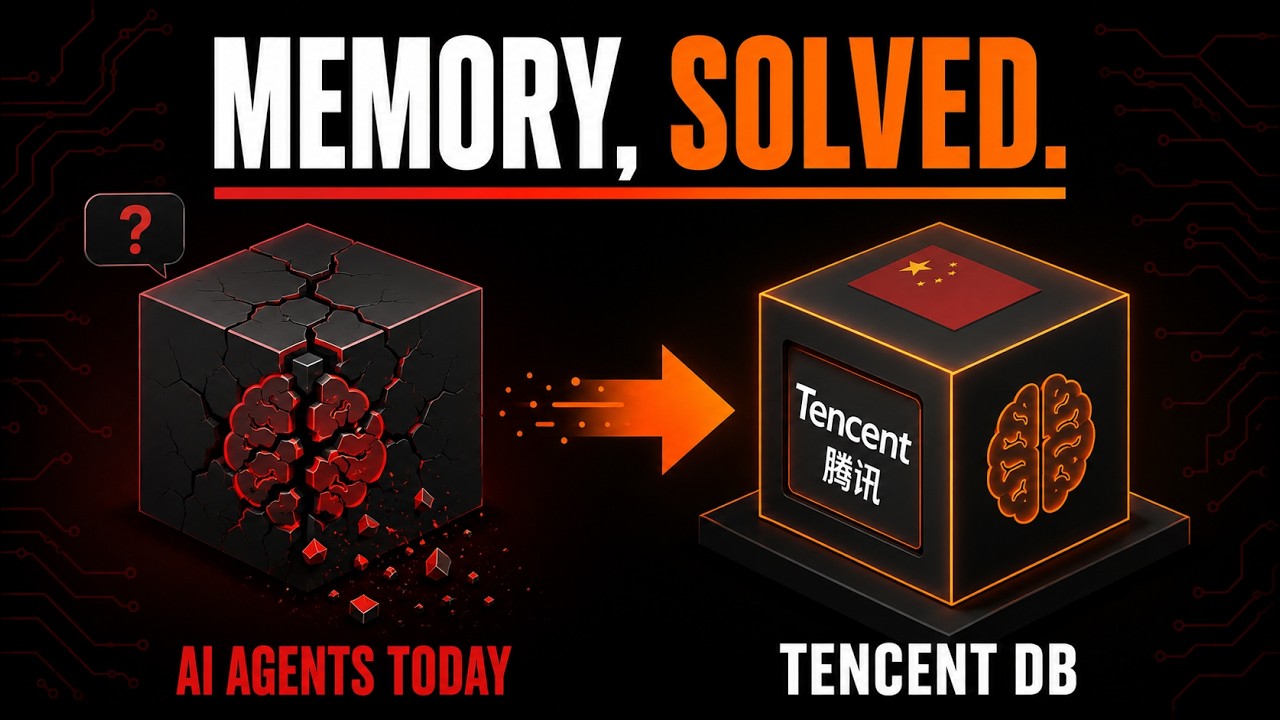
Forgetting as the Compression Step: Tencent's Agent Memory Engine, Checked

Tencent open-sourced an MIT agent-memory plugin that improves results by throwing information away: verbose tool logs fold into a Mermaid graph with node_ids you can grep back, and long-term memory climbs an L0-to-L3 pyramid modelled on Tulving's 1972 consolidation arrow. The repo is real (10,811 stars), the architecture is documented, and the benchmark table publishes raw token counts - so the presenter divides them on camera and finds one row that does not reconcile: SWE-bench prints -33.09% but computes to -31.63%. He also flags that every number is vendor-produced with no independent reproduction, and names the open GitHub issue where prompt-cache invalidation claws back part of the saving. The gains shrink as tasks get harder: +51.52% on WideSearch, +9.93% on SWE-bench. The video's own description gets this wrong; the video does not.

deep-dives
Cloud Codes
Published2026-08-02

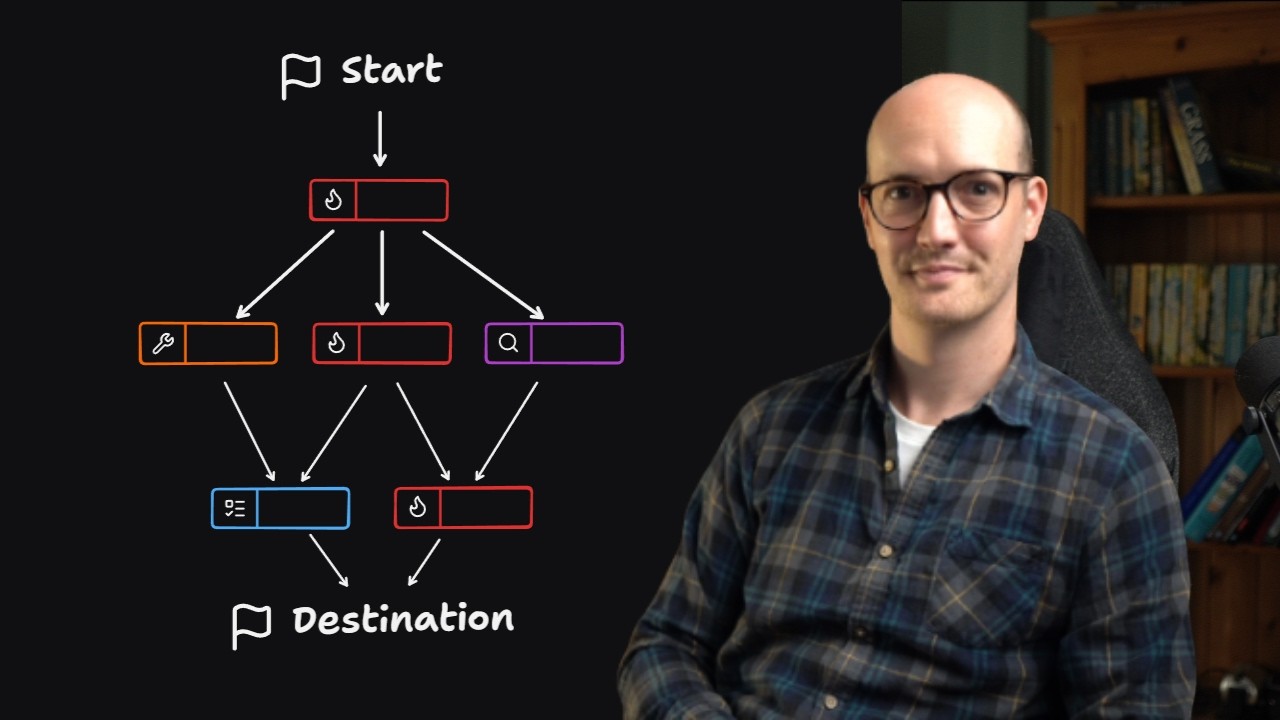
Wayfinder: Planning as a Map You Can Leave and Return To

Most agent planning tools die at the edge of a context window, and the real cost is not lost notes but trimmed ambition. Matt Pocock's Wayfinder skill moves the plan out of the session and into the issue tracker as a map of decision tickets, so work outlives any single conversation. Reading the skill source alongside the video surfaces two constraints the video never states: every ticket is either human-in-the-loop or agent-driven, and the skill forbids an agent standing in for the human's side of a discussion — the rule that keeps a decision map from looking complete while encoding nobody's judgement.

deep-dives
Matt Pocock
Published2026-07-30

System Prompts Leaks GitHub Explained: What AI Agent Prompts Reveal

Alex Hitt breaks down the system_prompts_leaks repository — 43,600+ stars on GitHub — revealing how researchers verify leaked AI system prompts, the four-layer architecture inside commercial models, and why prompt obfuscation as a competitive moat is dead.

deep-dives
Alex Hitt
Published2026-07-25

Don't Waste Time on Specs — /prototype Instead

Matt Pocock argues that spec-driven AI development wastes effort. His /prototype skill creates throwaway code artifacts at higher fidelity than discussion, letting you iterate on live UIs and logic before handing off to production — bridging the gap between spec and working software.

deep-dives
Matt Pocock
Published2026-07-23
‹ prev123next ›