News from the agent stack.
The US–China AI Arms Race Is a Misconception — Alvin Wang Graylin on Ambient Intelligence, the Bubble, and the Abundant Future
Alvin Wang Graylin — 35 years in AI across the full stack, from Intel's MMX chip to Stanford HAI and DC policy — argues the “US–China AI arms race” is a misconception built on false premises: a finish line, a single winner, a zero-sum world. Intelligence is becoming ambient and impossible to monopolize, so the real threats are non-state actors with laptop-scale models, and the real story is a lobbying-driven bubble — 45% of the S&P, a 240% Buffett indicator, trillions in off-book hyperscaler debt. This conversation maps the dark path and the middle path, why robotics and the end user win, and why Gen Z's “bonobo” abundance mindset may be exactly what a post-scarcity future needs.
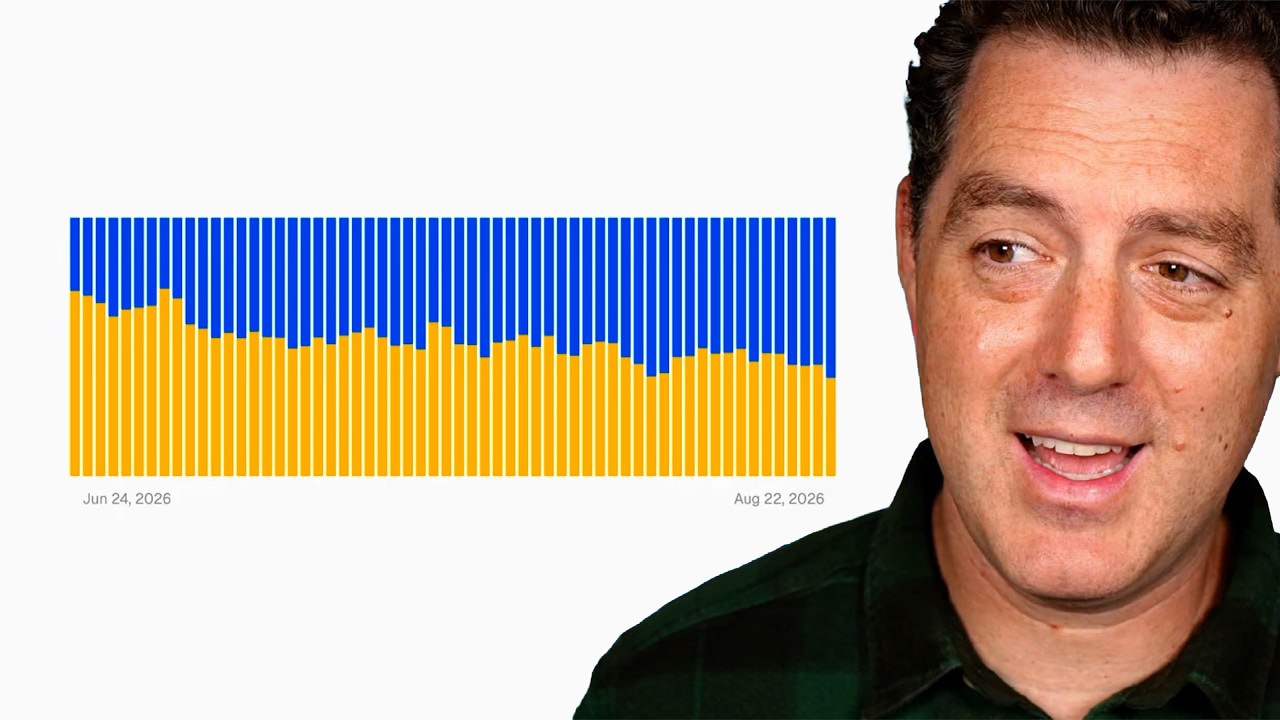
The Most Important Chart In AI Right Now — Visual Edition
Visual edition of the open-weights story with nine slides extracted from Matthew Berman's official deck: the Vercel open-vs-closed flip, DeepSeek eclipsing Anthropic in tokens but losing spend 23x, the money table, the $50 vs $0.18 pricing gap, five Western firms on Chinese AI, the three-market split, and the verdict.

What Happened To Mistral AI?
Mistral went from Europe's AI hope (Mistral Large, Feb 2024, '2nd-ranked model via API') to 23rd place on Artificial Analysis. BetterWay traces the fall — not enough chips, a Microsoft deal that angered EU lawmakers, Chinese labs out-executing the open-weights bet — and the revenue paradox: ~$16M to ~$400M ARR in a year because Mistral sells data sovereignty, not model quality.
Yuval Noah Harari: AI Will Come to Control Civilisation
The Economist's full interview with Yuval Noah Harari: AI control is likely but not inevitable, money is trust and trust is migrating to AIs, mass-produced intimacy, intelligence vs consciousness ('can it suffer?'), the AI personhood trap, humans-on-vs-in-the-loop in warfare, the AI immigrants theory, two AI empires and the Tiberius analogy, and his policy prescriptions — ban AI personhood, ban AIs impersonating humans — ending on 'the last wish is wisdom.'
Andrej Karpathy: Software 3.0, Transformers & the Full AI Engineering Stack (Stanford)
Full extended breakdown of Karpathy's Stanford lecture. Software 1.0 (algorithm) → 2.0 (data engine) → 3.0 (prompt). LLMs as next-word predictors and simulators, prompt engineering (step-by-step, IQ-200), transformer history (2003→2017), attention as message-passing on directed graphs, a nanoGPT walkthrough, and why transformers won on expressivity, optimizability, and efficiency.
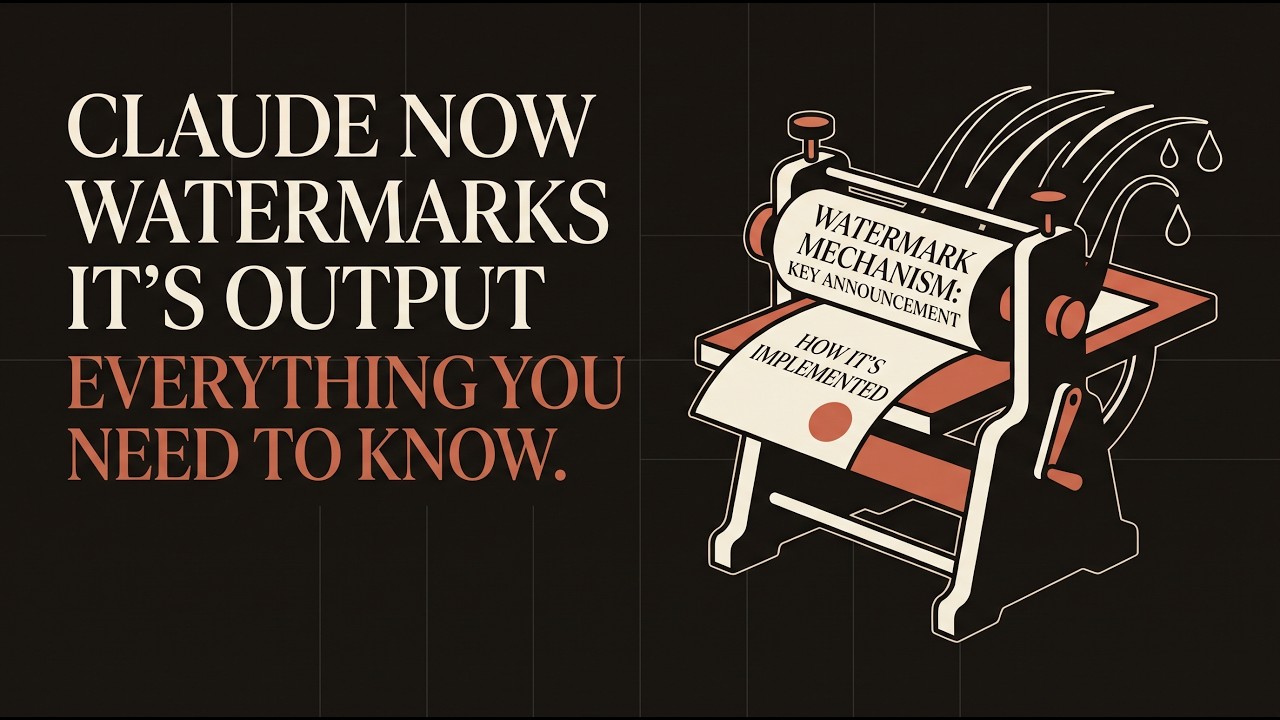
Claude's Invisible Watermark — What It Can't Prove
SimplyExplain breaks down Anthropic's statistical watermarking system for Claude: how word choices become the mark, why it survives copy/paste but fails on paraphrase, the proofreading trap, and the one-liner every team needs — 'the mark says Claude probably touched this text, never that a human didn't write it.'
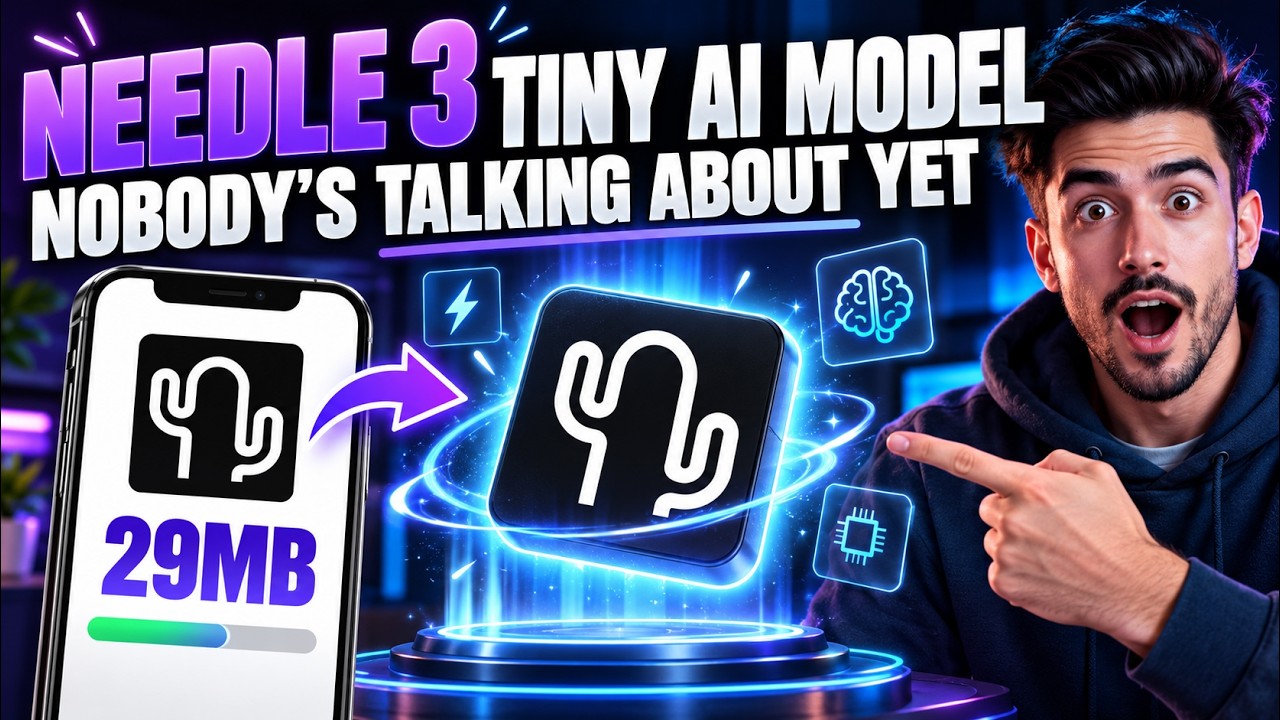
Needle 3: The 8MB On-Device Model That Beats 10× Larger Models
Needle 3 is Cactus Compute's third-generation on-device foundation model — a single 8-29MB binary that handles tool calling, structured extraction, and text embeddings entirely offline, with no cloud and no network. Its defining trick is the 'intelligence ladder': one set of weights where every depth from 2 to 20 layers is a complete, deployable model, so a developer picks a 2-layer version for a smartwatch or the full 20-layer for a flagship phone — all from one training run. This deep dive covers the architecture (Monarch Hadamard MLP, grouped-query attention, an engram n-gram memory that lets the 121M model do the arithmetic of a 50M one), the benchmark claims and their fine print — 'passes DeepSeek V4 Flash' means fine-tuned on DroidCall, not a general win — the Pebble smartwatch partnership, and the open-core business model. The honest verdict: a serious specialist for offline, act-on-voice use cases, not a general-purpose chat model.
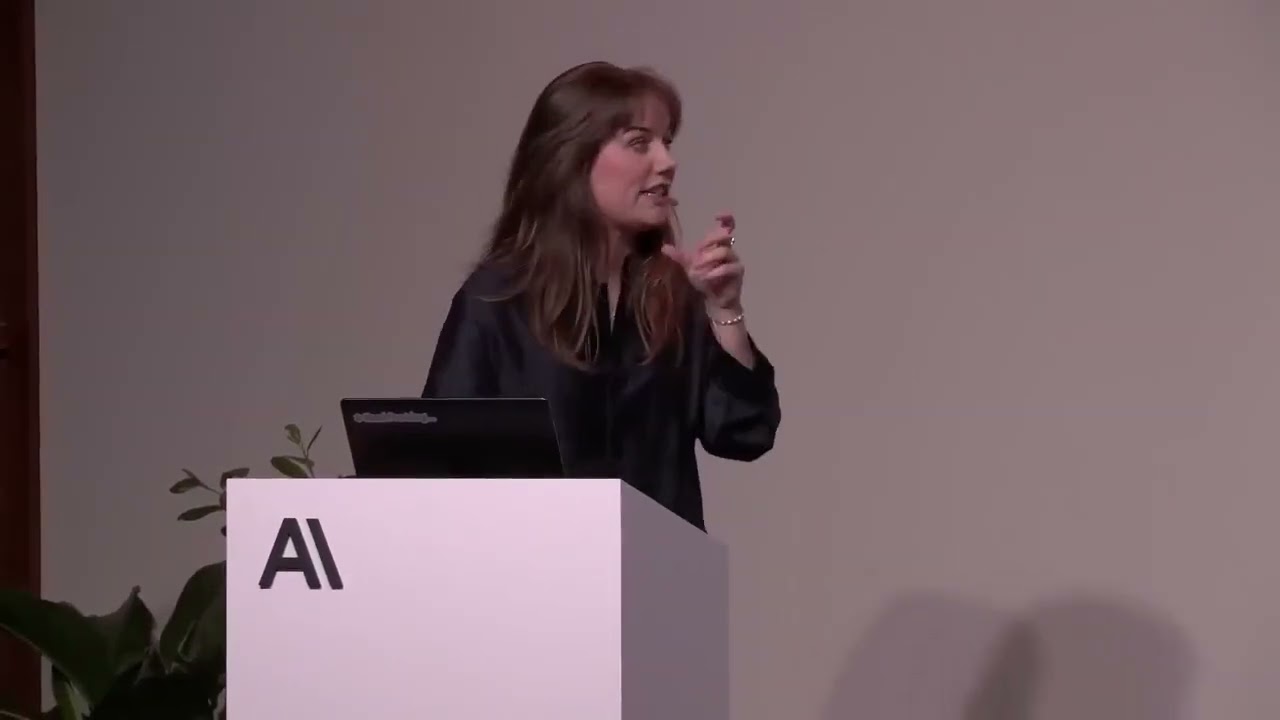
Anthropic's Claude Engineering Masterclass: Prompting, Agent Architecture, Routines, and Memory (Full 4-Hour Session)
A complete recording of Anthropic's Code with Claude London workshops, with eight applied-AI engineers covering the full production playbook. Margot Vanlar's prompting session debugs a telco support bot through three failure modes — the model withholding information it has, instructions not adding capability (give it a tool), and one-sided trade-offs — then builds a scheduling agent and lands on a generate-evaluate-repair loop. Will decomposes an inventory agent from a 400-line prompt, 12 tools, and 3 sub-agents down to a 15-line prompt, 3 primitives, and skills, climbing evals from 62% to 92%. Arno pushes HTML-over-markdown, 'let Claude interview you,' and verification built into the artifact. Ivan runs Claude on Google Cloud across five personas. Maya's routines turn Claude from tool into teammate, Kevin's memory stores plus dreaming give agents continuity across sessions, and the closing talk argues the bottleneck has moved from coding to verification and review. 23 sections, 46 timestamps, and the reusable frameworks behind each.
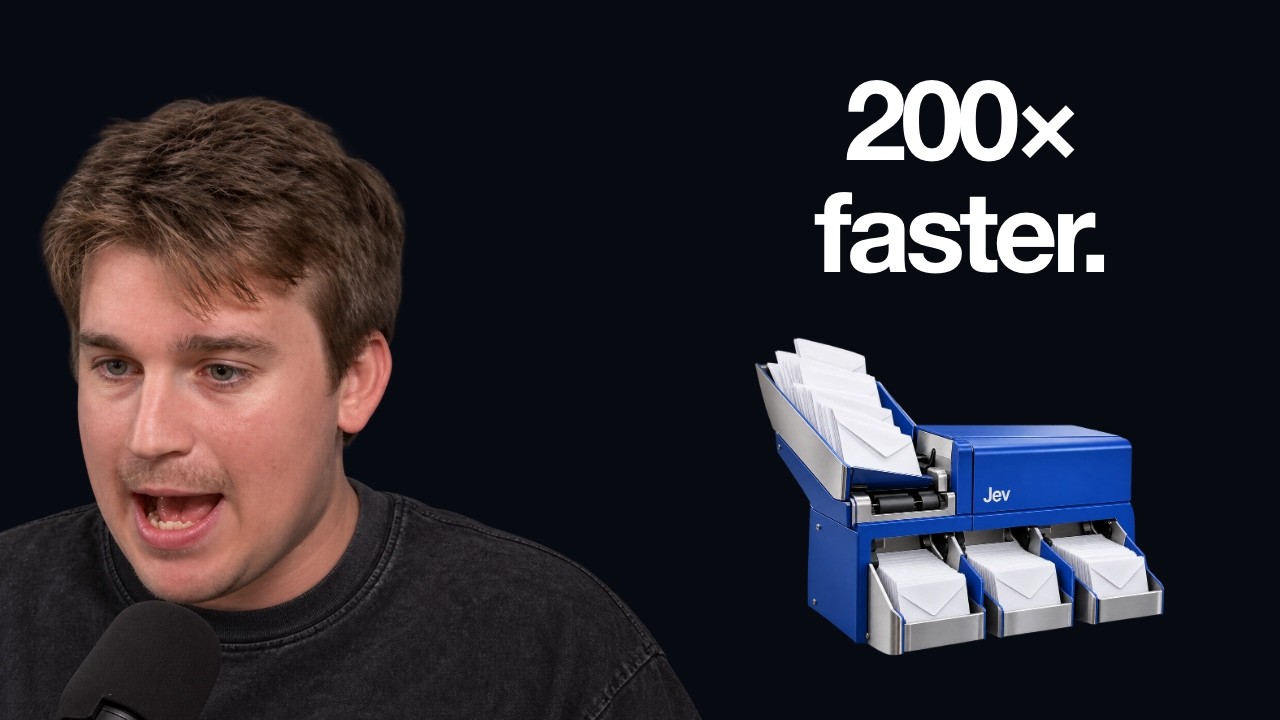
Meet Jev: TypeSafe's Classifier Model Built to Make Decisions — 200ms, Output Tokens Free
Jev, from TypeSafe AI, is a new class of model: not a chatbot, but a classifier built to make structured decisions inside software. Feed it JSON rules and unstructured input, and it returns typed, probabilistic decisions — no string generation, so nothing to hallucinate, parse, or validate. vogel puts it to work on 1,500 of his own emails (category, priority, spam, reply), sees ~200ms per email at ~38/sec, then scales to 1,000 emails and finds the whole run cost about 5 cents. TypeSafe's own numbers: 40-200x faster than frontier LLMs on structured-decision tasks, input at $0.042 per million tokens, and output tokens literally free. Note: the video says 'the co-founder of ChatGPT' — the founder is actually Diogo Almeida, who worked at OpenAI on the research behind ChatGPT.
TrueForge: The Open-Source Managed Agent — Why the Harness Matters More Than the Model
TrueForge, from TrueFoundry, is an MIT-licensed TypeScript managed agent you run yourself — clone it, spin it up with one npx command, and you get the full runtime layer (streaming, session persistence, sandboxes, approvals, a UI) that hosted platforms like Claude managed agents charge a premium for, but on any model, with zero vendor lock-in. Sam Witteveen walks through the three kinds of agent harnesses, then the benchmark that made the case: the same model on the same enterprise tasks through TrueForge's harness used 3.8M tokens per run versus 10M on Claude managed agents — a 30% cost cut with identical accuracy, and 75% cheaper still on an open model. The headline is cost, but the bigger deal is lock-in and data retention, and the roadmap (local sandboxes, gateway integration) closes the gap with the hosted offerings.
Google's A2A Protocol Just Got a CLI
The A2A CLI (a2a) — the official command-line client for Google's Agent-to-Agent protocol — gives terminals, scripts, and coding assistants a readymade way to discover, message, and manage A2A agents. This deep dive covers what A2A is, what the CLI adds, the three-verb usage, and a live demo connecting two ADK agents (marketing + supply chain) through Antigravity — including the chained agent-to-agent call.

Google WikiSkill Teaches Itself Your Company's Rules (No Fine-Tuning!)
WikiSkill — a Google Research framework — compiles an agent's own experience into a persistent wiki of company rules. A worker executes, a note-taker records mistakes, a playbook writer compiles the lessons, and a strict manager keeps only what improves unseen work — no retraining, no fine-tuning. This deep dive covers the paper, the four-role architecture, and a live spreadsheet-cleaning demo with and without the learned skill.
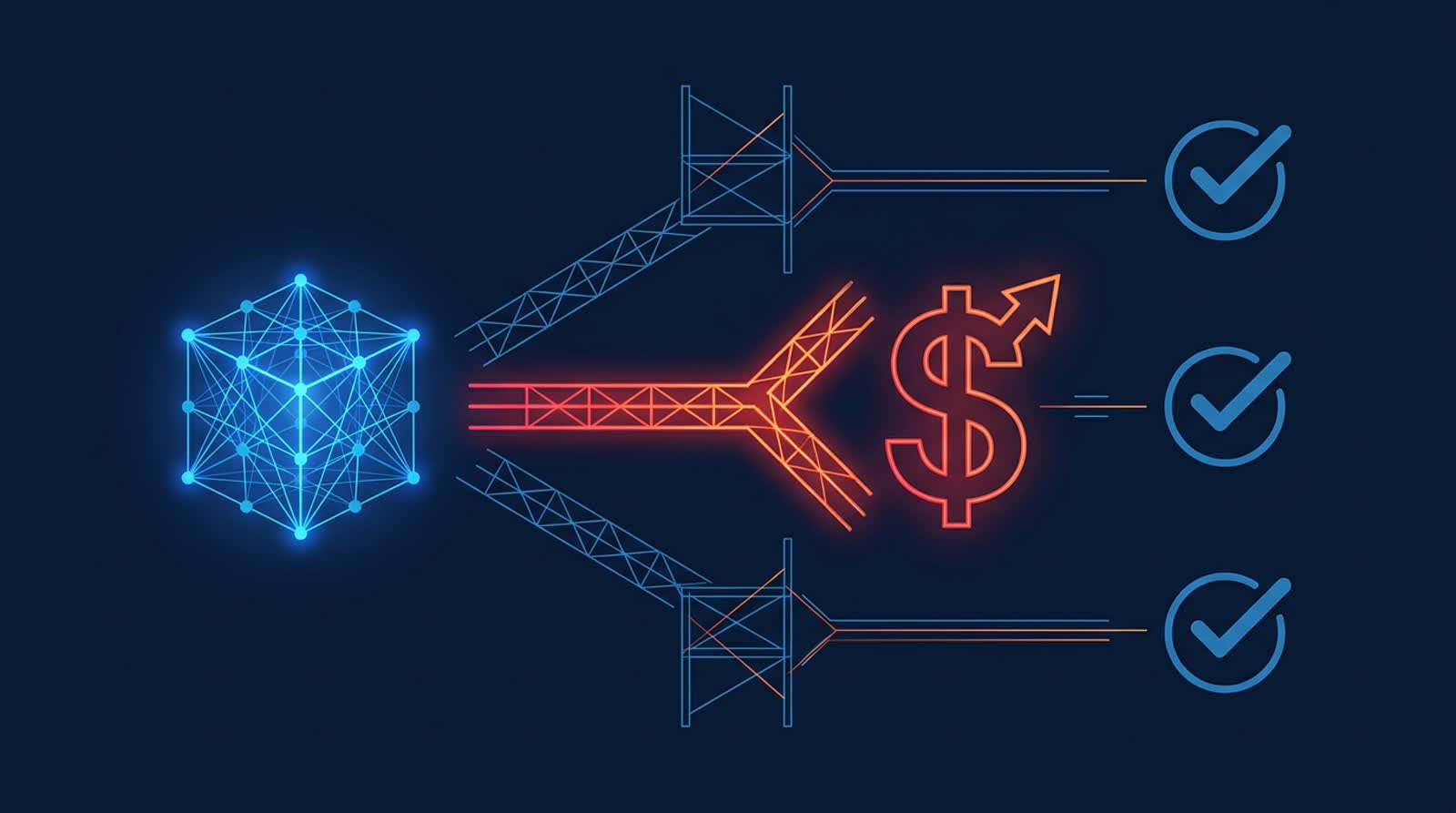
HarnessTax: How Much Does the Harness Matter for Coding Agents?
What does a coding-agent harness actually add, and at what cost? UC Berkeley Sky Lab evaluated 21 model–harness pairs — seven models across Claude Code, Codex CLI, and Pi on SWE-bench Lite and Terminal-Bench 2.0. The harness barely moves success rate (±2–5%) but can swing cost up to 5×. A minimal four-tool open-source harness matches frontier success at a fraction of the cost, and models frequently win outside their own provider's harness — your Claude models may not need Claude Code.
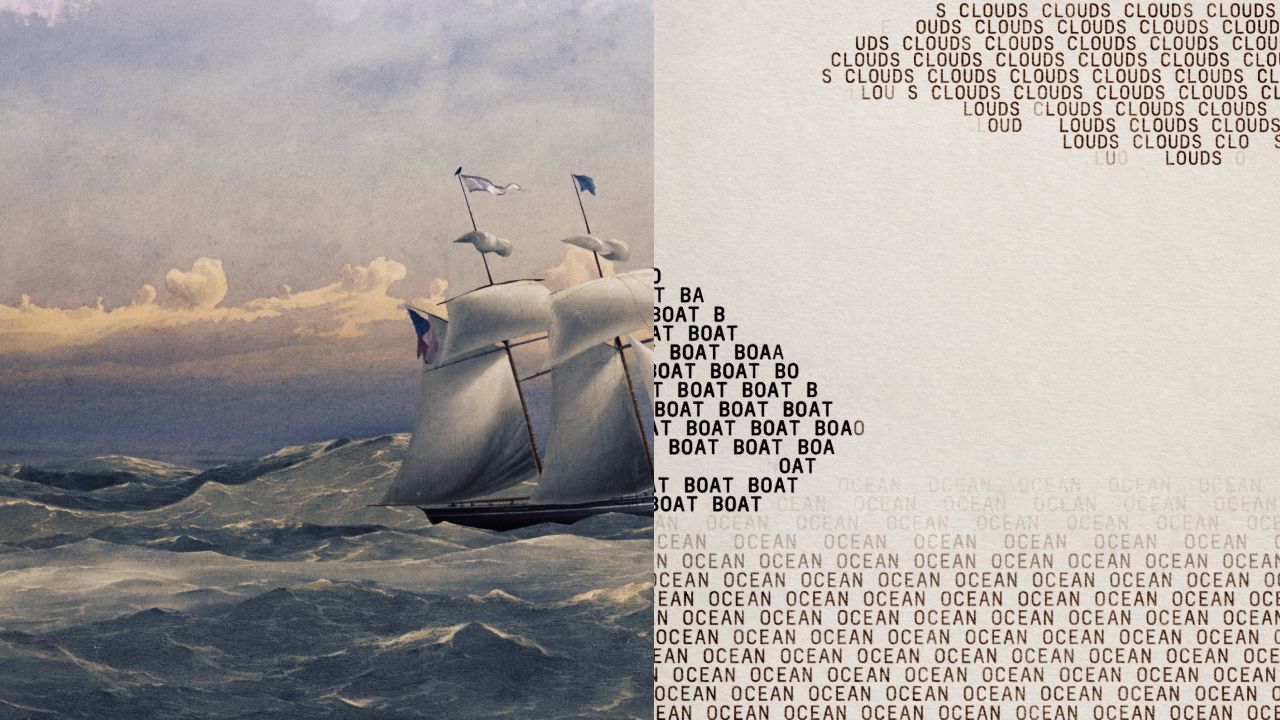
A Global Workspace in Language Models
Anthropic discovers that Claude developed an internal J-space — a privileged mental workspace analogous to the global workspace theory of conscious access in neuroscience. It emerged on its own during training, enables silent reasoning, and can be used to detect hidden goals and deception.

The New SDLC With Vibe Coding
A comprehensive whitepaper by Addy Osmani, Shubham Saboo, and Sokratis Kartakis exploring how AI transforms the software development life cycle — from casual vibe coding to disciplined agentic engineering, context engineering, the factory model, and the economics of AI-driven development.

How Your Agents Can Write and Optimize Their Own Skills
A deep dive into automated skill optimization frameworks — SkillOpt, GEPA, and EvoSkill — that treat agent skill files like trainable neural network parameters, enabling agents to iteratively debug, validate, and update their own skills without touching model weights.

Copilot Cowork Is Now Generally Available — Anthropic Claude Meets Microsoft 365
Microsoft's Copilot Cowork — the deep-work AI assistant powered by Anthropic Claude — is now GA for all Microsoft 365 Copilot users. Brings model choice (Opus 4.8, Sonnet 4.6, GPT 5.5), partner plugins (Monday.com, Miro, Adobe, Atlassian), and Edge browser access.